
The demand for high-performance and energy efficient insulated metal panels has reached an all-time high. However, you cannot discuss insulated metal panels, without analyzing their R-values.
It is the R-value of insulated metal panels that determines their insulation properties, which translate to energy efficiency.
Therefore, before buying these panels for your next project, let’s explore everything about their R-value.
What are Insulated Metal Panels?

Insulated metal panels are building panels consisting of two metal sheets with a layer of insulation between them. The outer surfaces are made of metal sheets whereas the insulation core act as the middle layer helping in heat resistance.
How R-Value Applies to Insulated Metal Panels

R-value refers to the ability of a material to resist the transfer of heat. A material that has a higher R-value is one in which heat finds it difficult to pass through. This is important since a reduced heat transfer ensures that indoor temperatures are steady and conserves energy.
In insulated metal panels, the R-value is mainly due to the insulation core. The core is sandwiched between two metal skins and serves as a thermal barrier. Since heat can pass with minimal resistance through metal, the insulation core becomes necessary to prevent heat loss or gain.
Core Materials Used in The Panel and Their Thermal Performance

a) Polyisocyanurate (PIR) Foam
PIR foam offers among the highest R-values in insulated metal panel, typically between R-6 and R-8 per inch. Buildings feel more comfortable with this high resistance to heat flow using thinner panels.
This performance is due to closed-cell structure of PIR. The small airtight cells trap gases within them, which reduces the flow of heat. Since heat travels more slowly, the indoor space does not lose much heat in cold weather and does not gain much heat in hot weather.
b) Polyurethane (PUR) Foam
PUR foam provides a slightly lower insulation value compared to PIR, typically between R-5 and R-7 per inch. Despite this difference, PUR still has good thermal resistance for most types of buildings.
A common reason why builders select PUR is that it offers a balance between price and performance. The foam is waterproof and maintains its shape and this makes the panels useful in different weather conditions.
c) Expanded Polystyrene (EPS)
EPS panels normally come with R-values of R-3.5 to R-5 per inch. The reduced resistance allows the easy flow of heat through EPS than through PIR or PUR foam.
Due to this difference, EPS panels may require more thickness to achieve equivalent insulation levels. Thick panels consume more material which may have an impact on design flexibility.
d) Mineral Wool
Mineral wool cores normally have R-values ranging between R-3.7 and R-4.2 per inch. Although this level of insulation is still moderate, there are other advantages that mineral wool has other than thermal performance.
This material resists fire well and is good at absorbing sound. Sound absorption enhances comfort in noisy conditions, whereas fire resistance guarantees safety. These features are important in constructions where safety and acoustics are more important than maximum insulation.
Factors That Influence Actual R-Value Performance
a) Panel Thickness
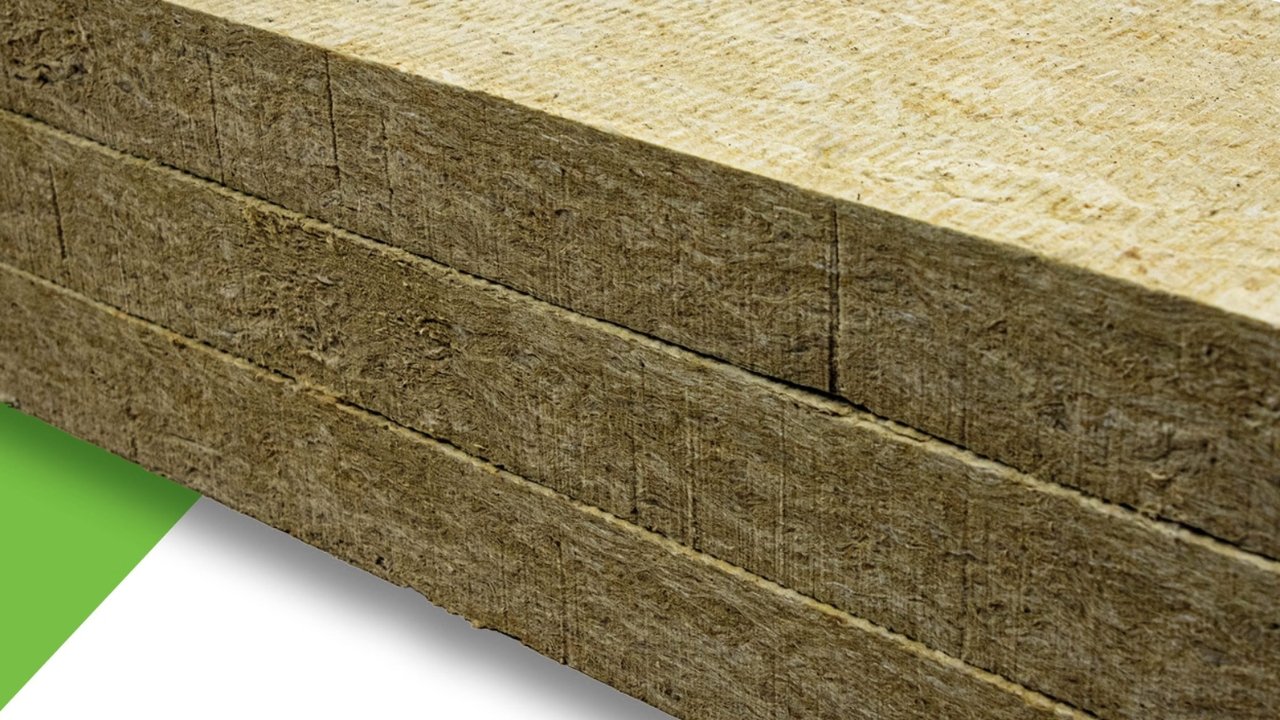
Thickness of panel has a direct impact on the R-value. With a thicker panel, there will be more insulation material, which slows down the movement of heat. For example, doubling thickness increases thermal resistance.
b) Thermal Bridging
Thermal bridging happens when insulation is bypassed by heat using conductive materials like metal framing. In this case, heat is lost at a faster rate, reducing the overall insulation performance. This problem is curbed by using insulated metal panels which provide continuous insulation on the wall or roof surface.
c) Installation Quality
Even high-R panels become ineffective when improperly installed. The holes, misaligned joints or weak seals allow air to leak in and heat to pass through the building walls.
d) Climate
Climate affects the performance of the insulation. In hot areas, panels should block heat from entering the building while in cold areas, they must reduce the rate at which heat gets out of the building.
Key Differences between R-Value and U-Value
| Feature | R-Value | U-Value |
| Measures | Heat resistance | Heat transmission |
| Higher is | Better | Worse |
| Lower is | Worse | Better |
| Primary use | Insulation materials | Whole assemblies (windows, walls) |
| Units | ft2·°F·h/BTU
| BTU/(h⋅ft2⋅°F) |
| Relationship | 1/U-Value | 1/R-Value |
Energy and Cost Performance Benefits
· Lower Energy Bills
The insulated metal panels reduce the rate of heat transfer through walls and roofs. Heating and cooling systems operate less when heat remains indoors during cold weather and remains outdoors during hot weather.
Reduced workload in the system implies less energy consumption. In the long run, this decrease will translate to cost savings.
· Faster Installation
These panels come as a whole unit with an inbuilt insulation. The installation of a single panel replaces many construction processes, saving on cost.
· Durability and Low Maintenance
The insulation core is protected by metal skins preventing damage. This protection ensures that panels can work effectively for decades. It lowers the cost of maintenance in the long term with less repairs and replacements.
· Enhanced Indoor Quality and Comfort
Consistent indoor temperatures enhance comfort. When temperature fluctuations are reduced by insulation, the interior space becomes more comfortable.
Humidity can also be controlled by having reduced air movement through walls. Good control of moisture promotes healthier indoor environments.
How to Choose the Right R-Value for Your Project

· Assess Your Climate
Insulation requirements are dictated by climate. Hot climate needs heat-resistant insulation while cold climate requires insulation that prevents the loss of heat.
· Match Building Use
Different buildings require varying degrees of insulation. Cold storage plants require high R-values to control temperatures strictly while schools and offices need moderate insulation to make them comfortable.
· Ask Manufacturers for Data
Manufacturers test panels under controlled conditions. These findings demonstrate the performance of panels in real-world use. Analyzing verified information will assist you selecting panels according to the expected performance, and not just by assumptions.
FAQs
Do these panels lose insulation strength over time?
No. Quality insulated metal panels do not lose most of their R-value since the insulation core is not exposed to moisture and physical damages.
Do metal panels make buildings hotter?
No. The insulation core prevents flow of heat and reflective metal surfaces usually decrease the amount of heat that is absorbed.
Can one panel replace multiple insulation layers?
Yes. Insulated metal panels are made by integrating structure, insulation, and exterior surface into a single product replacing the need for using different layers.
Are thicker panels always better?
Thicker panels have higher R-values, however the appropriate thickness varies based on climate, building use, and energy saving goals.
Partner with Lutonpanel

Lutonpanel is a trusted insulated metal panel manufacturer in China. Whether you want PIR, PUR, mineral wool, or EPS insulated panels, we will customize every panel to meet your unique project requirements.
We also customize metal panels to match your unique R-values – Get a quote now.


