
Thermal insulation is very important in construction to control the flow of heat in buildings. When you reduce the transfer of heat between outdoor and indoor environments, ensure comfortable temperatures, reduce operational costs, and ensure better energy efficiency. Understanding what thermal insulation is and its practical use is important for choosing the best materials and ensuring long-term performance in industrial, commercial, and residential structures.
What is Thermal Insulation?

Thermal insulation is a system or material that reduces the transfer of heat between spaces having different temperatures. It functions by slowing down radiation, convection, and conduction, thereby ensuring that buildings can retain heat during cold conditions, thereby remaining cool during warm environments. With thermal insulation, there’s indoor comfort, sustainable construction, and energy efficiency across industrial, commercial, and residential applications.
How Does Thermal Insulation Work?
Thermal insulation maintains stability in the environment by reducing how heat transfers between areas that have different temperatures. Naturally, heat transfers from a warm place to a cool place through conduction, convection, and radiation. In such cases, insulation materials help to restrict these processes as they feature air pockets that reduce the conduction of heat and limit the movement of air. These processes help to reduce convection. There are some insulation types that reflect radiant heat, which helps to increase performance.
By installing thermal insulations in pipes, walls, floors, or roofs, it creates a barrier that traps the heat inside when the environment is colder. During warmer conditions, this barrier blocks external heat from passing through.
Therefore, this minimizes any need for additional cooling or heating systems, which results in lower consumption of energy. When installing thermal insulation, there’s a need to do it properly because any error can reduce performance. Thermal insulation regulates the movement of heat, which helps to prevent temperature changes, reduce the risk of condensation, and ensure energy efficiency in commercial and residential buildings.
Types of Thermal Insulation Materials
How effective an insulation is is mainly measured through its R-value. This indicates its resistance to the flow of heat. Greater R-values indicate higher insulating power. Also, the climate and the building part, be it roof, wall etc. determines the R-value.
Here are the different types of thermal insulation materials
Fiberglass Insulation

This is the most widely used material for thermal insulation during construction. It has an R-value of 2.9 to 3.8 per inch. It is manufactured from glass fibers, which are made to trap air and reduce the transfer of heat efficiently. Fiberglass is affordable and lightweight and is usually installed in roofs, ceilings, and walls. It is non-combustible and provides good thermal performance. There is a need to do a proper installation to prevent gaps which could reduce the efficiency.
Mineral wool insulation
Mineral wool insulation can be manufactured from recycled slag or natural rock and deliver great fire-resistant and thermal features. Mineral wool has an R-value of 3.0 to 3.3 per inch. It also has a dense structure, which helps in limiting the transfer of heat as well as improving sound insulation. Also, mineral wool is useful in industrial buildings as well as areas that require high standards of fire safety. This is because mineral wool can withstand extreme temperatures.
Foam Insulation
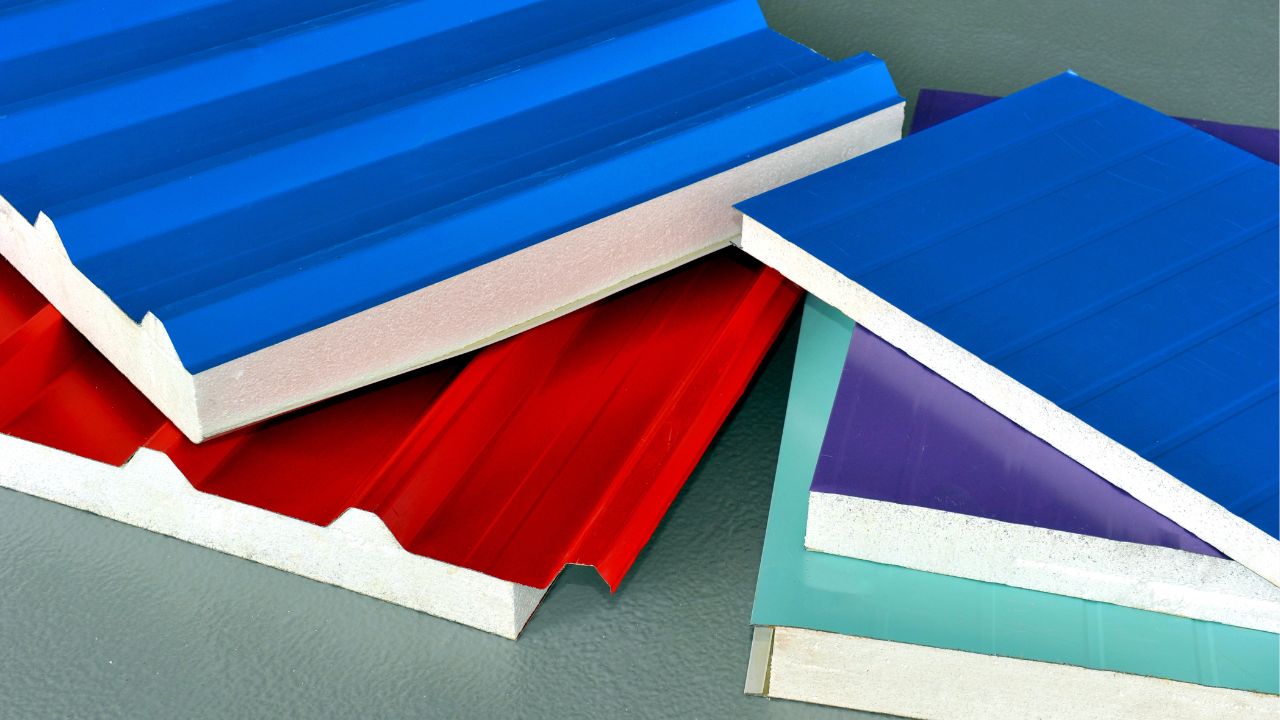
Foam insulation features materials like polystyrene and polyurethane. These products offer great thermal resistance by creating open-cell or closed-cell structures which limits the movement of air. Rigid cells have an R value between 4 to 5 per inch while closed cell foams have an R-value of between 6 and 7 per inch. Foam insulation is usually applicable in sandwich panels, roofs, and walls, to achieve energy-efficient construction.
Eco-friendly and natural insulation materials
Natural insulation materials feature wood fiber, cellulose, sheep’s wool, and cork. Cellulose has an R-value between 3.2 to 3.8per inch, while that of sheep’s wool is around 3.5 per inch. These environmentally-friendly and renewable options provide a great thermal performance. They are suitable for construction projects that are sustainable and those focused on reducing the impact of the environment.
Applications of Thermal Insulation
Residential buildings
Thermal insulation is commonly used in residential areas to regulate the temperature indoors all through the year. Installation can be done in the roofs, walls, and floors of homes to minimize heat loss especially in colder periods and restrict heat transfer in warmer conditions. In homes, proper thermal insulation helps to increase energy efficiency and reduce utility bills.
Commercial buildings

Thermal insulation is useful in commercial spaces because they ensure low energy usage and increase comfort. Commercial spaces like retail buildings and offices use insulation to regulate the temperature indoors and decrease cooling and heating loads. Properly-insulated commercial structures increase energy efficiency and encourage sustainability while reducing operational costs.
Industrial applications
In industrial spaces, it is important to regulate temperature for the safety of workers and equipment performance. Processing plants, factories, and warehouses usually install thermal insulations to minimize the loss of energy and maintain controlled temperature for effective production and storage.
HVAC systems and piping
Engineers use insulated pipes and ducts to reduce energy loss and condensation. Insulation in HVAC systems and piping help in maintaining stable temperatures and improve efficiency while extending the lifespan of equipment
Benefits of Thermal Insulation
Improves energy efficiency
Thermal insulation leads to a great improvement in energy efficiency by reducing the transfer of heat between outdoor and indoor environments. By reducing heat gain in warm conditions and the loss of heat in cold situations, insulation reduces the demand placed on cooling and heating systems. This leads to less consumption of energy, better system performance, and effective building operation all through the year.
Better indoor comfort
Better thermal insulation ensures indoor comfort by reducing cold spots or drafts and maintaining stable temperatures. Buildings that are insulated experience less fluctuations in temperature, thereby creating a working or living environment that is very comfortable. Also, consistent indoor conditions reduce issues with condensation, leading to healthier air quality and satisfaction of the occupant generally.
Environmental benefits

With thermal insulation, there’s environmental sustainability by reducing emissions of greenhouse gases and energy demand. Buildings that use energy efficiently consume less resources, thereby reducing environmental impact. With insulation, there’s a higher chance to meet the standards of green buildings and achieve sustainable and responsible construction measures.
Cost savings
Insulation comes with an initial cost; however, it ensures cost savings in the long term. Also, less consumption of energy results in reduced utility bills, while better building performance reduces possible wear on the HVAC systems. With time, these savings could offset costs of installation, thereby making thermal insulation a cost savings option for industrial, commercial, and residential buildings.
Factors that Affect Thermal Insulation Performance
Material thickness and density
The thickness and density of the type of material determine the performance of thermal insulation. Generally, thicker insulation resists heat flow, which enhances thermal efficiency. Also, dense materials affect the way insulation traps air and reduces heat transfer.
However, if the material is too dense, it may reduce performance if they limit air pockets. Choose materials with optimal density and thickness to ensure efficient insulation for some environmental conditions.
Installation method
The method of installation use helps in achieving perfect thermal insulation performance. Even perfect materials can offer poor performance if they’re not installed properly. Poor sealing or gaps during installation can cause the release of heat, which could affect insulation performance.
Therefore, ensure proper alignment and pay attention to edges and joints for exceptional performance. Quality installation ensures proper thermal control, which increases insulation performance and durability.
Climate and temperature conditions
Environmental conditions such as temperature can affect the performance of thermal insulation. Buildings in cold climates or extreme temperatures need higher levels of insulation to ensure comfort indoors.
Environmental conditions like wind, humidity, and temperature changes can affect performance. Choose insulation materials that are ideal for a specific climate challenge to maintain stable performance and increase energy efficiency.
Things to Avoid During Thermal Insulation
Here are things to avoid during thermal insulation.
Poor material choice
Poor choice of material can reduce the durability and effectiveness of insulation significantly. Not every insulation material is suitable or performs effectively in all environments. Material selection without considering tolerance to temperature, moisture behavior, and fire resistance might lead to a reduction in performance issue and lifespan. Insulation has to work with the usage conditions and structure of the building. Evaluating the material properties properly ensures reliability, consistent thermal performance and safety.
Inadequate levels of insulation
This mistake is very common and it makes the thermal insulation system less effective. Using an insulation that’s too thin or with less thermal resistance causes excessive transfer of heat, which in turn results in loss of energy. Poorly-insulated buildings usually experience higher cooling and heating costs. Choosing a thermal insulation that meets the desired standards for a particular type of building and climate is important for high efficiency and great performance.
Ignoring control of moisture
Failure to consider moisture control could lead to great insulation problems. The buildup of moisture could result in health concerns, structural damage, and mold growth. Efficient ventilation, proper vapor barriers, and materials that are resistant to moisture are important for achieving a good insulation performance.
FAQs
What is the difference between thermal insulation and acoustic insulation?
Thermal insulation regulates temperature by decreasing the transfer of heat. Acoustic insulation, on the other hand, reduces the transfer of sound. While some materials may offer these two benefits, each type of insulation is installed to meet different performance.
Can thermal insulation reduce both heat transfer and noise transmission?
Yes it is possible. Some thermal insulation materials can prevent the transfer of noise by absorbing sound waves. Although such materials are specifically designed to regulate temperature, they can also offer acoustic performance.
How long can thermal insulation last in buildings?
The life span of thermal insulation is usually between 20 and 50 years. However, this depends on the type of materials, quality of installation, and environmental conditions. Proper installation and maintenance can extend the service life of thermal insulation.
Do building codes require thermal insulation?
Yes, a lot of building codes demand thermal insulation to meet energy efficiency standards. This ensures compliance with international and local regulations. Also, building codes include thermal insulation in their regulations to ensure comfort.
What is the best insulation to use for hot climates?
The best insulation for hot climates should have rigid foam and high thermal resistance to reduce heat transfer and ensure cooler temperature inside. Also, this material should offer high energy efficiency.
Can I add thermal insulation to existing buildings?
Yes, thermal insulation can be added to existing buildings through external systems and wall cavities. You can also make interior upgrades to achieve this without requiring any major structural changes.
How does thermal insulation affect the quality of the air indoors?
Thermal insulation has an impact on the quality of the air indoors. It reduces the buildup of moisture and condensation, thereby ensuring a more stable temperature.
Does thermal insulation help reduce carbon emissions?
Yes, thermal insulation can reduce carbon emissions. It does this by reducing the demand for cooling and heating systems, which minimizes the use of fossil fuels and ensures Sustainability in building operations.
Partner with Lutonpanel
Partnering with a top company provides access to top-quality sandwich panels, as well as great support and technical support. Focusing strongly on efficiency, compliance, and performance, these companies simplify the process of material selection and execution of the project. Their solutions ensure durable and energy-efficient construction across residential, commercial, and industrial projects, offering confidence and long-term value from the planning phase to the project completion.


